
Marco Toso Borella
WAY OF THE CROSS
Passion of Glass and Gold
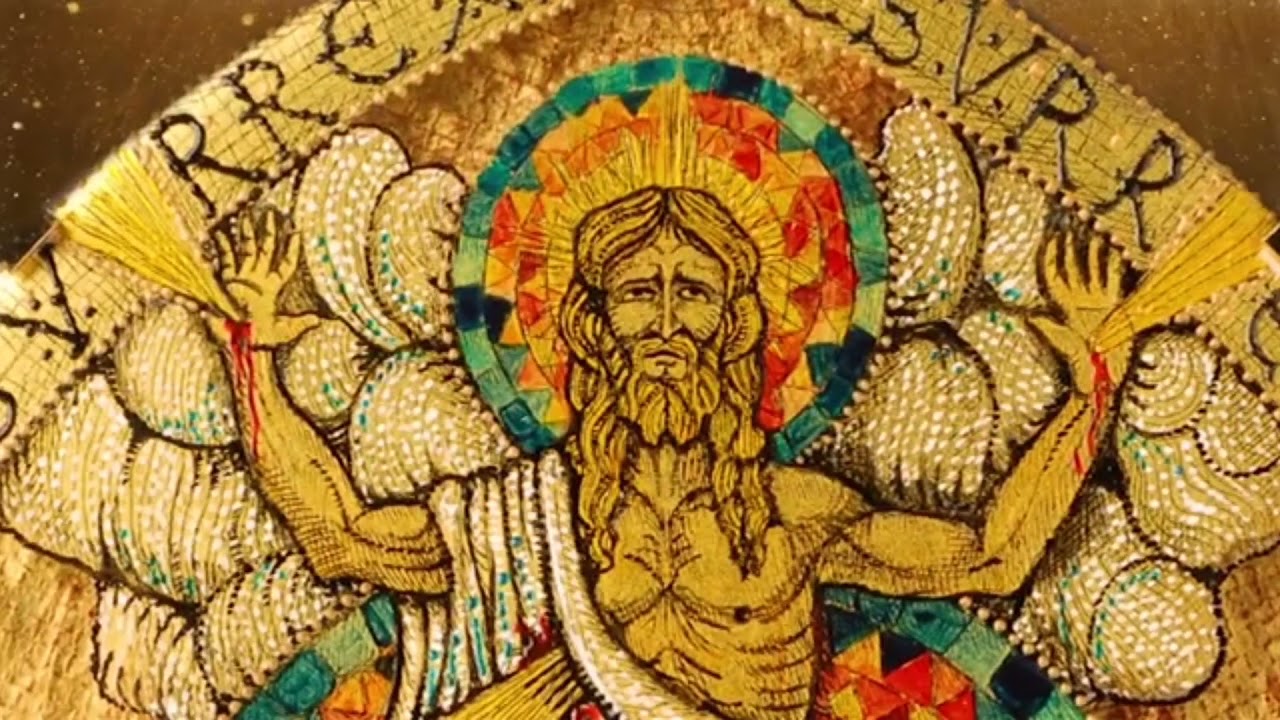
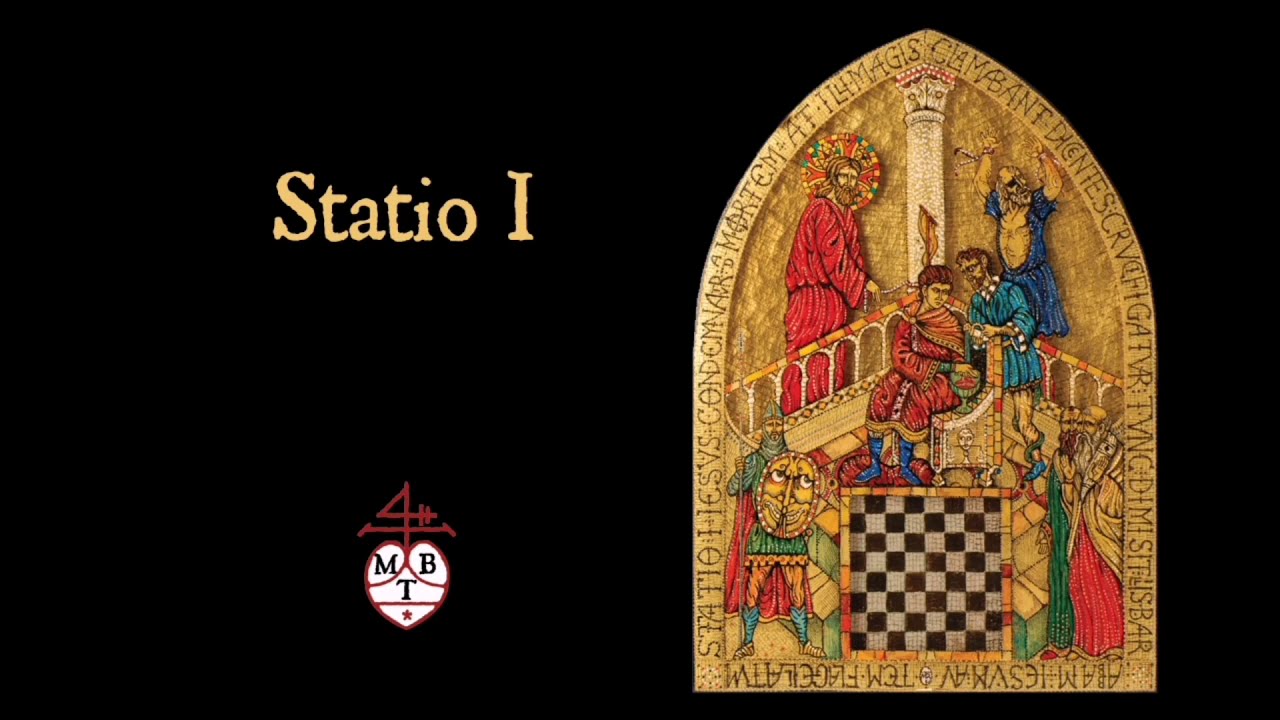
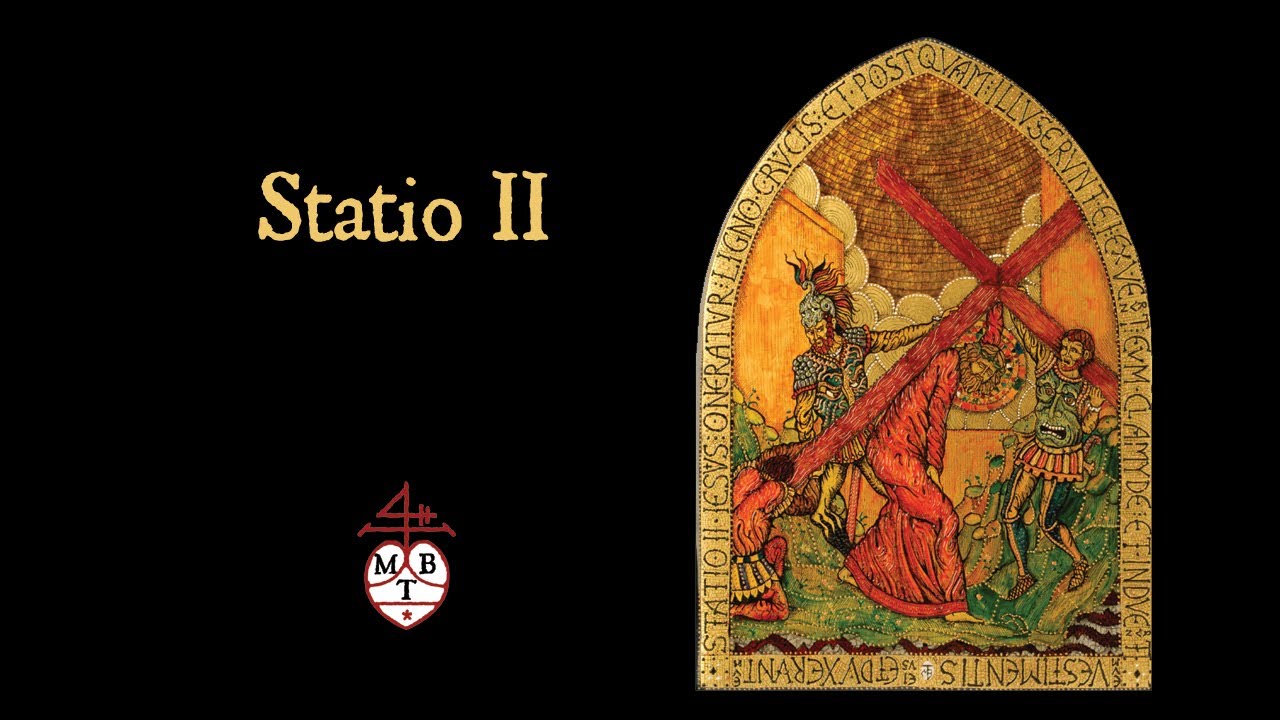
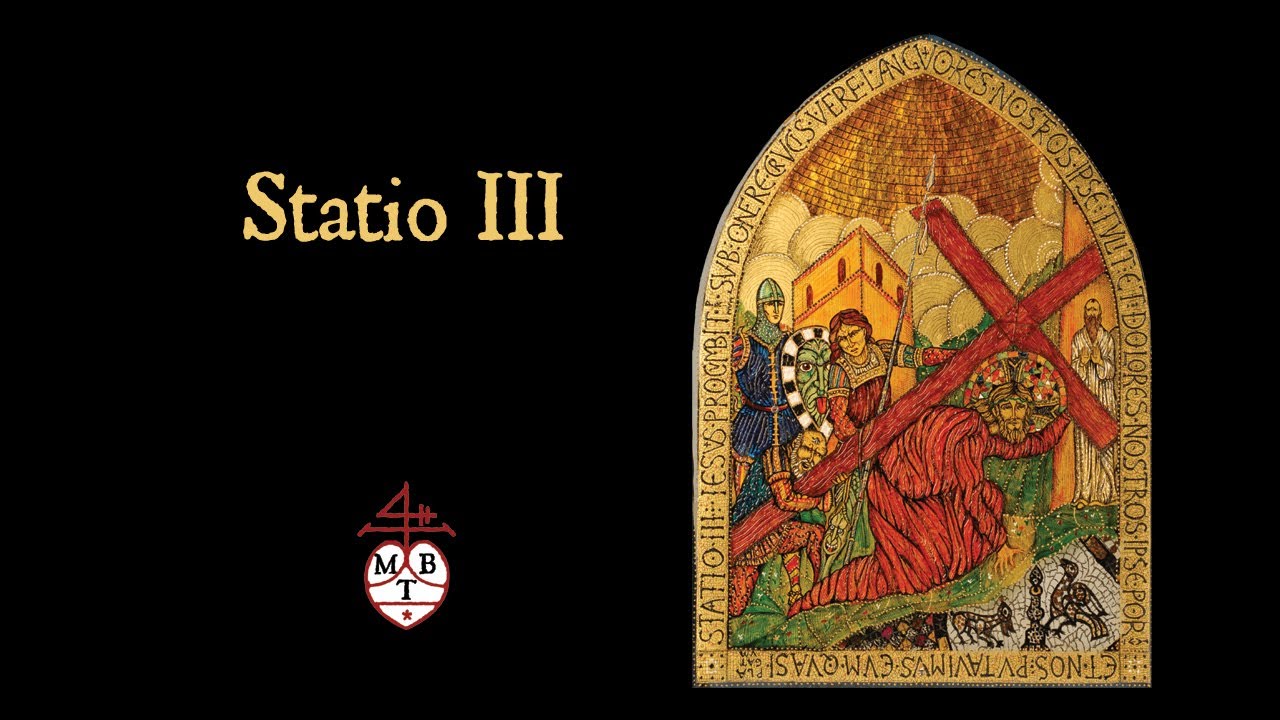
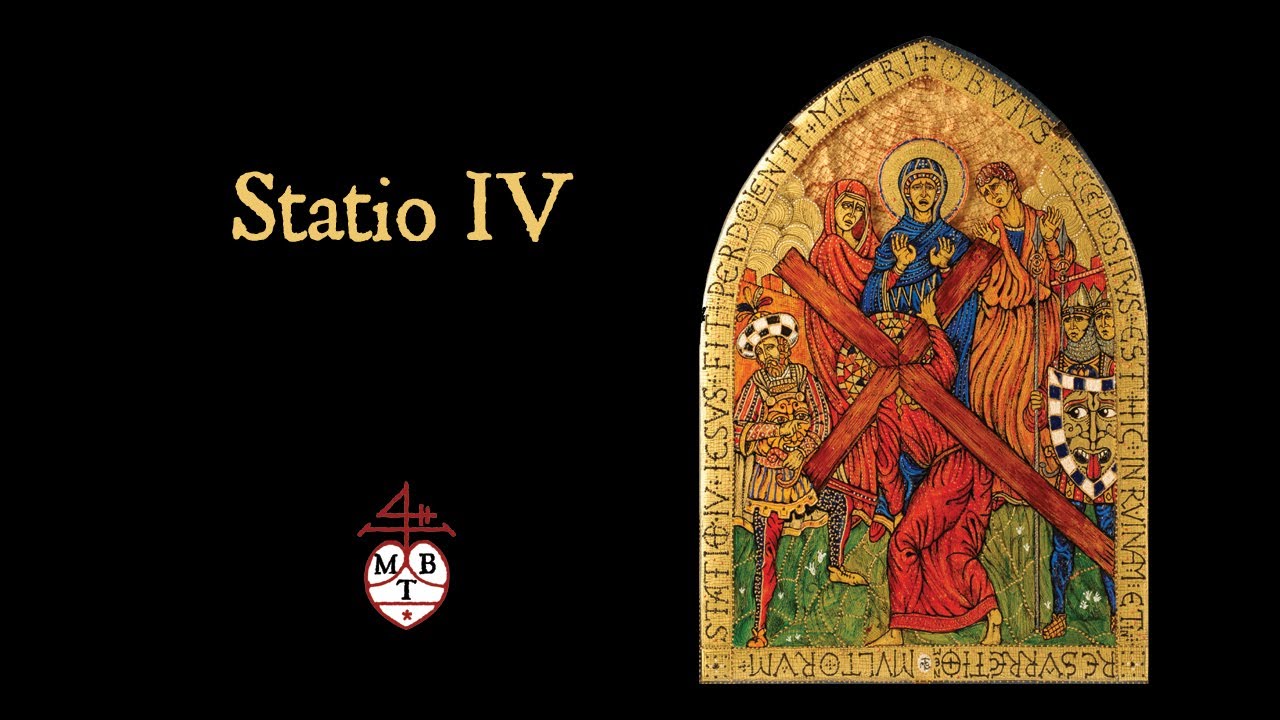
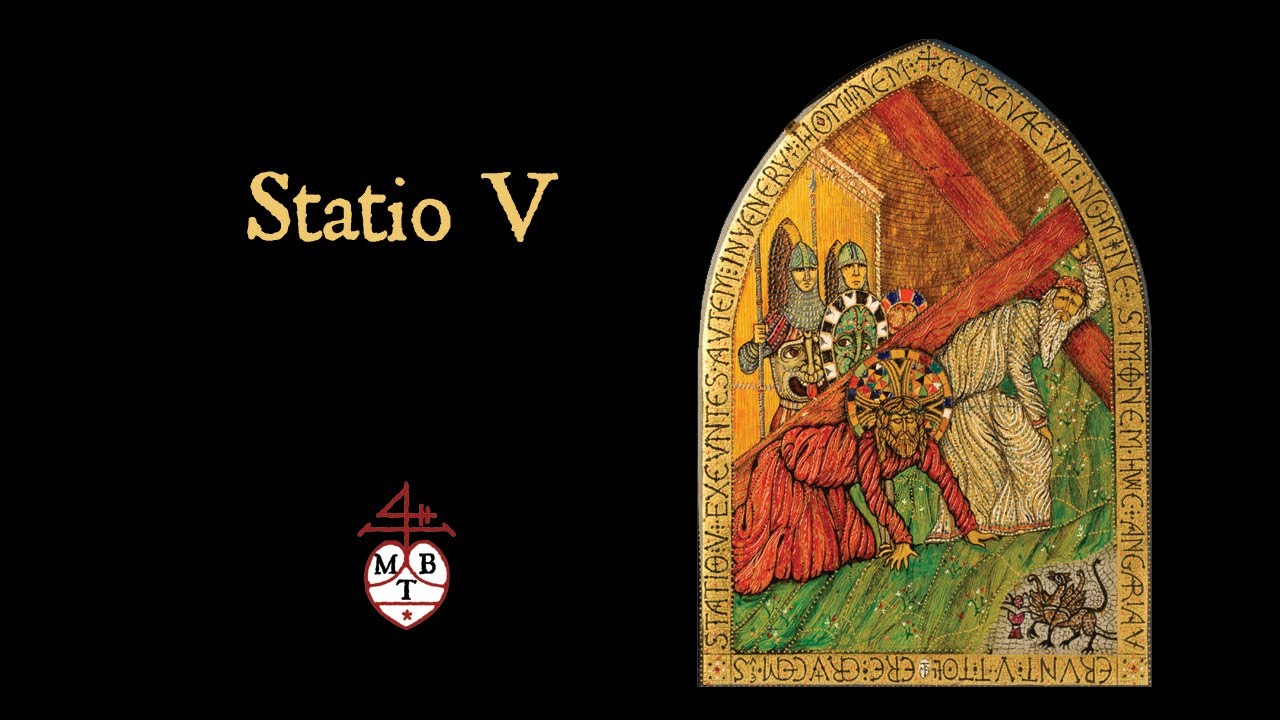
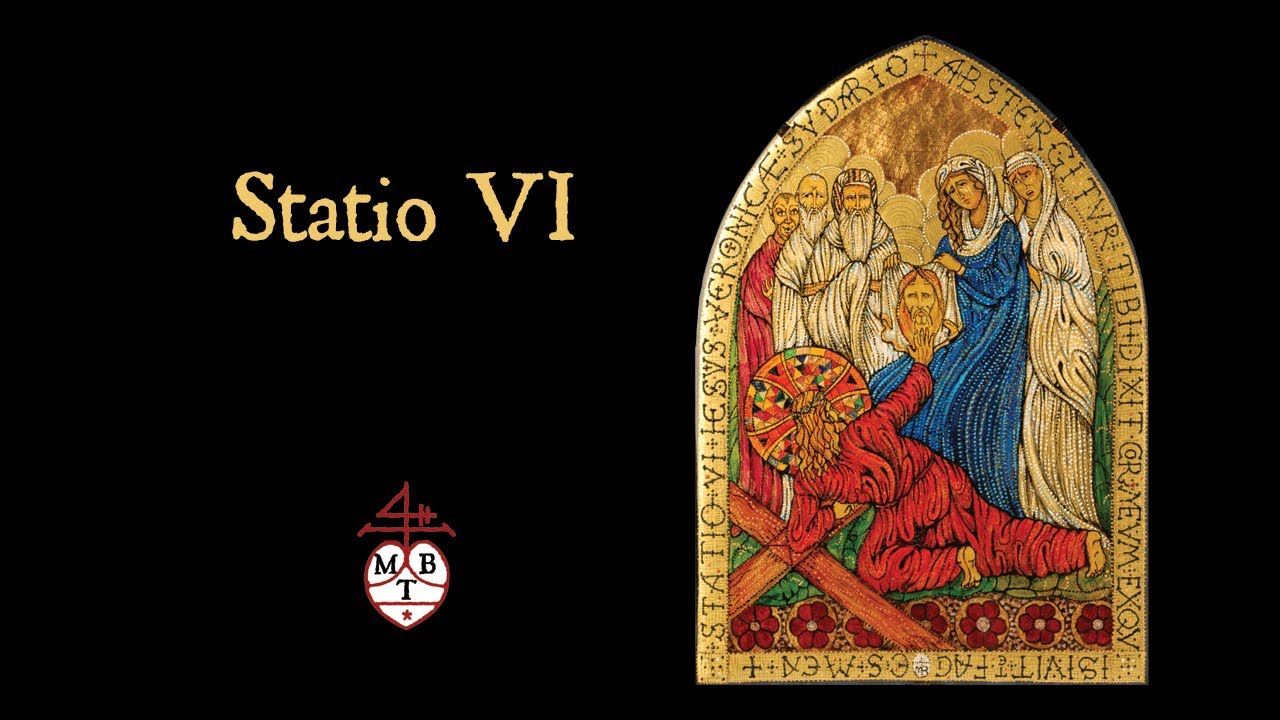
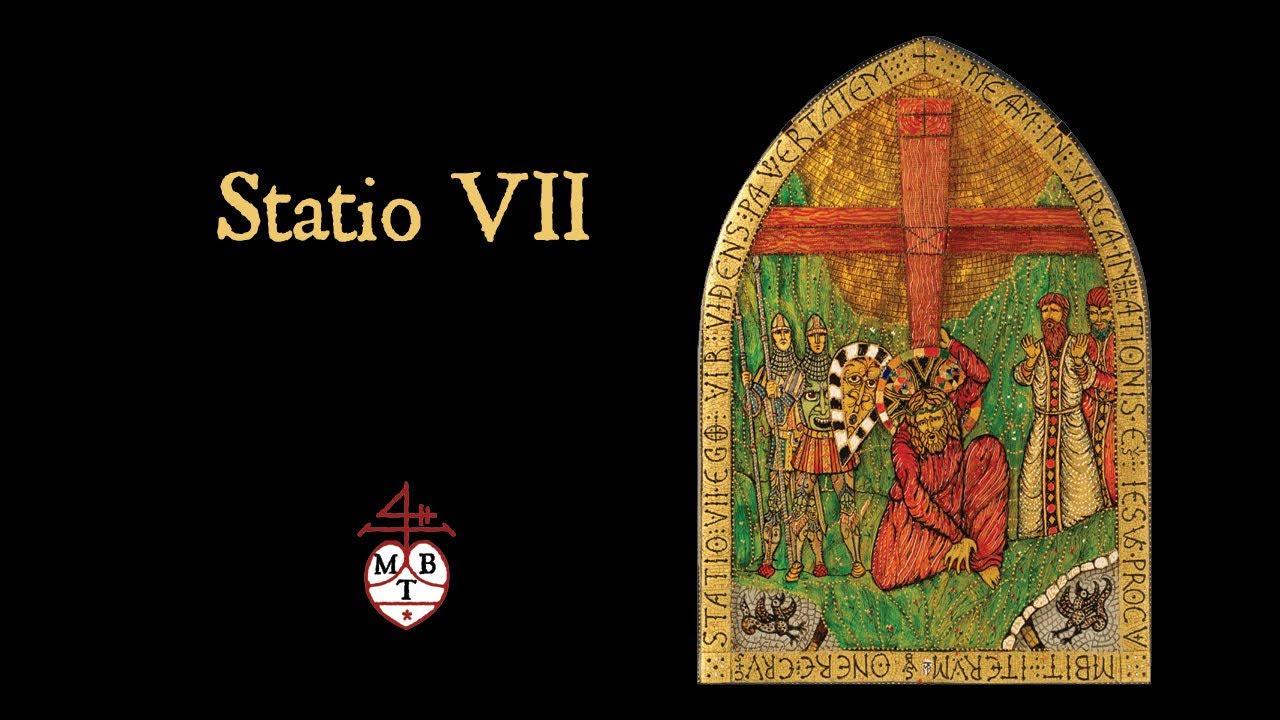
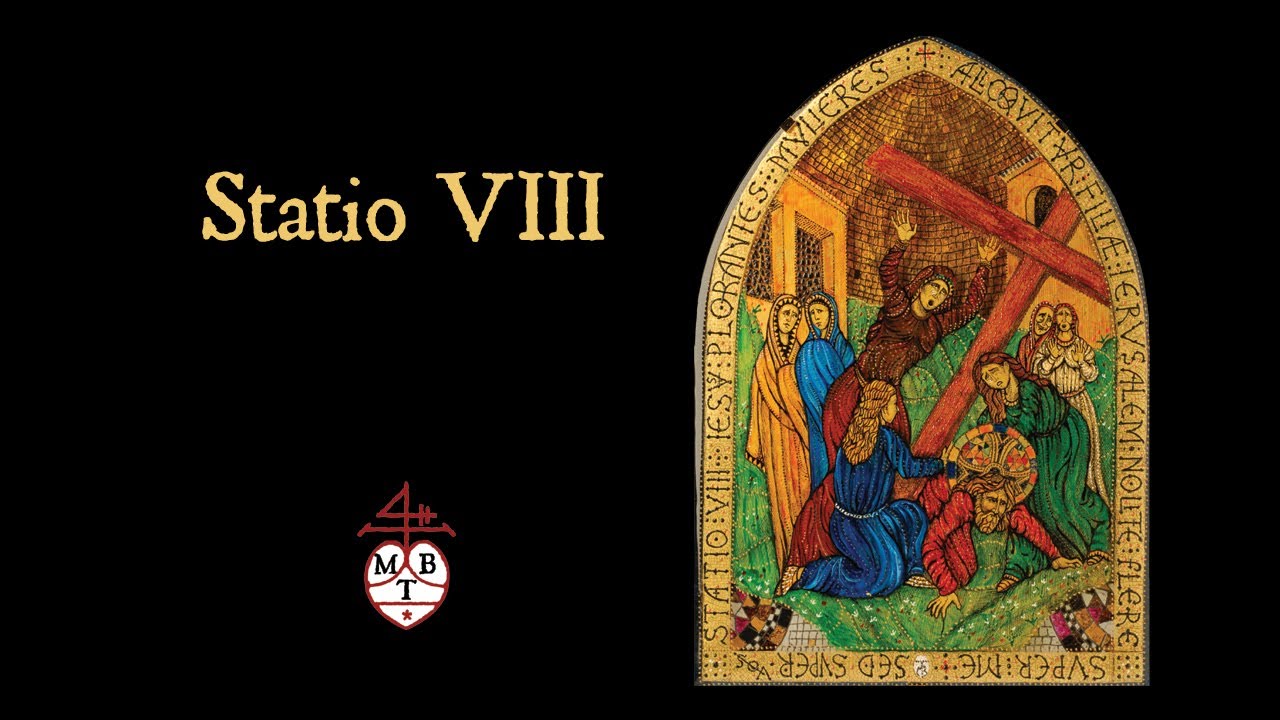
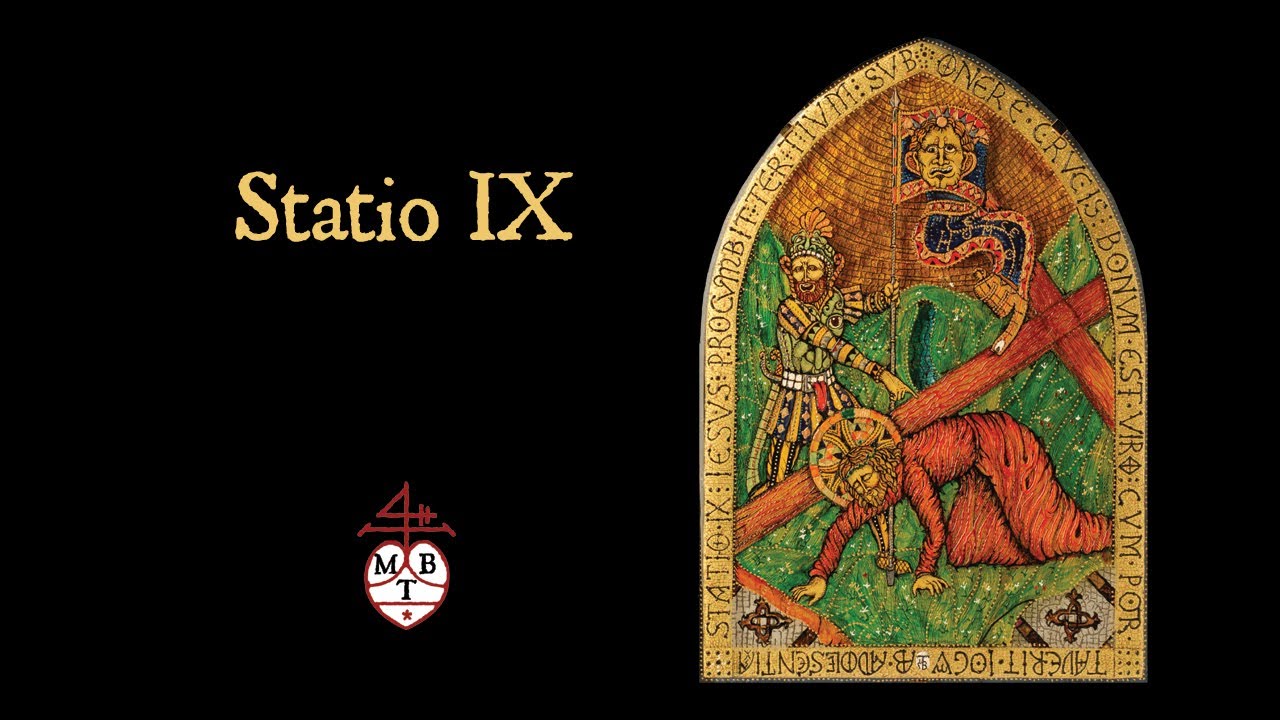
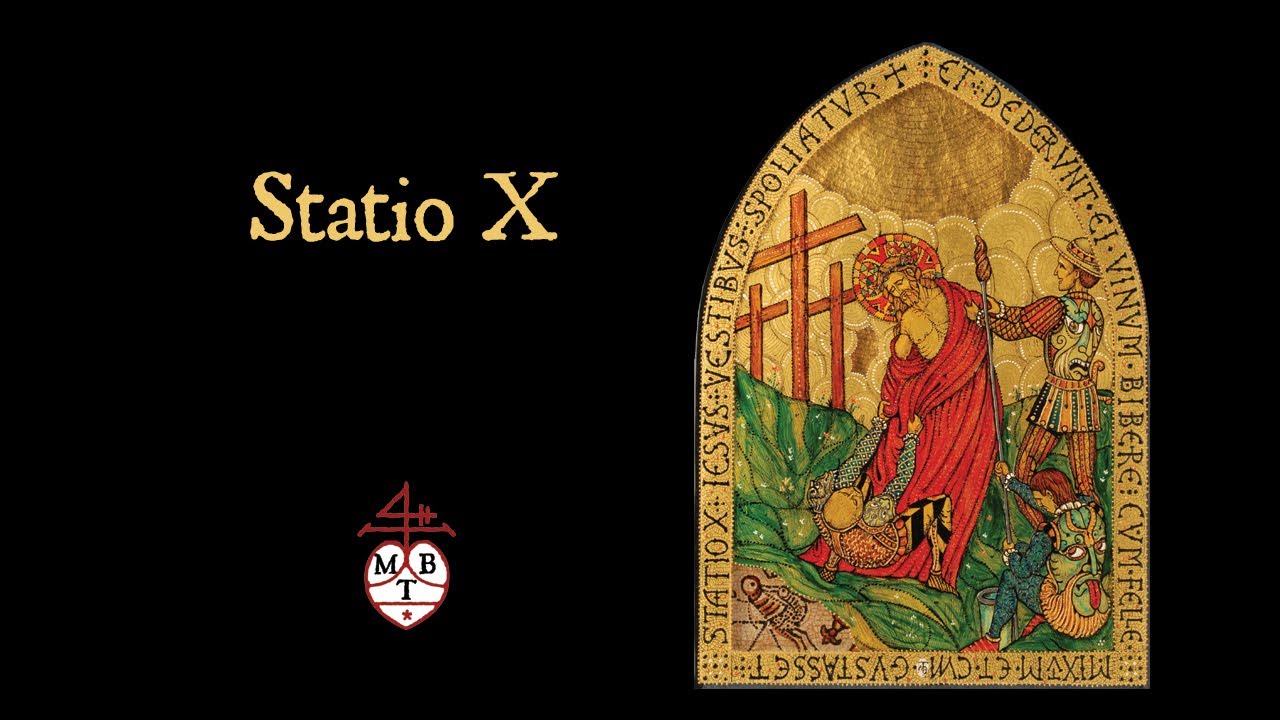
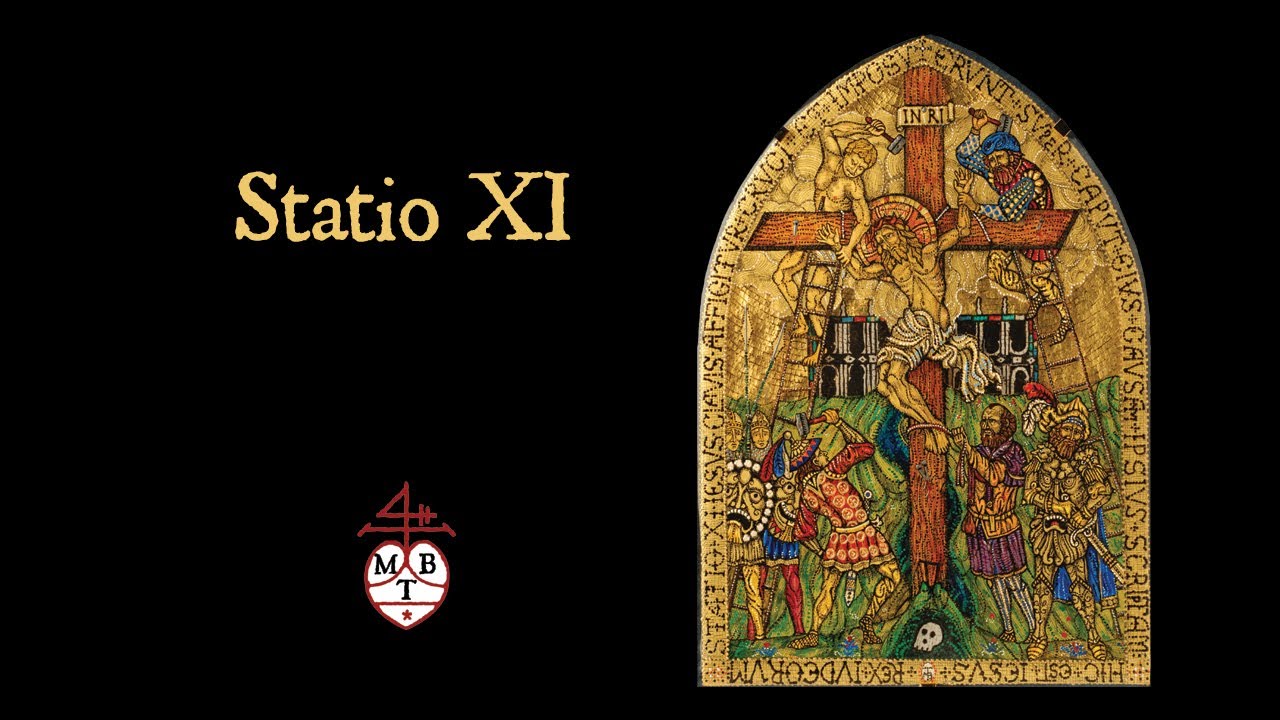
Pain, suffering, passion, love. The beauty of the greatest love takes shape through the hands of Marco Toso Borella using an original and unique artistic technique. The image, etched by the artist’s mastery, emerges from the union between the transparent depth of glass and the luminous elegance of gold leaf, decorated with colored enamels.
The result is an absolute work of art that grafts a completely contemporary gaze on the Passion of Christ onto the ancient.
The work is located on the interior walls of the Basilica of San Donato in Murano, one of the most authoritative examples of Byzantine art, visited by tourists from all over the world and cited in all art history books for the beauty of its mosaics.

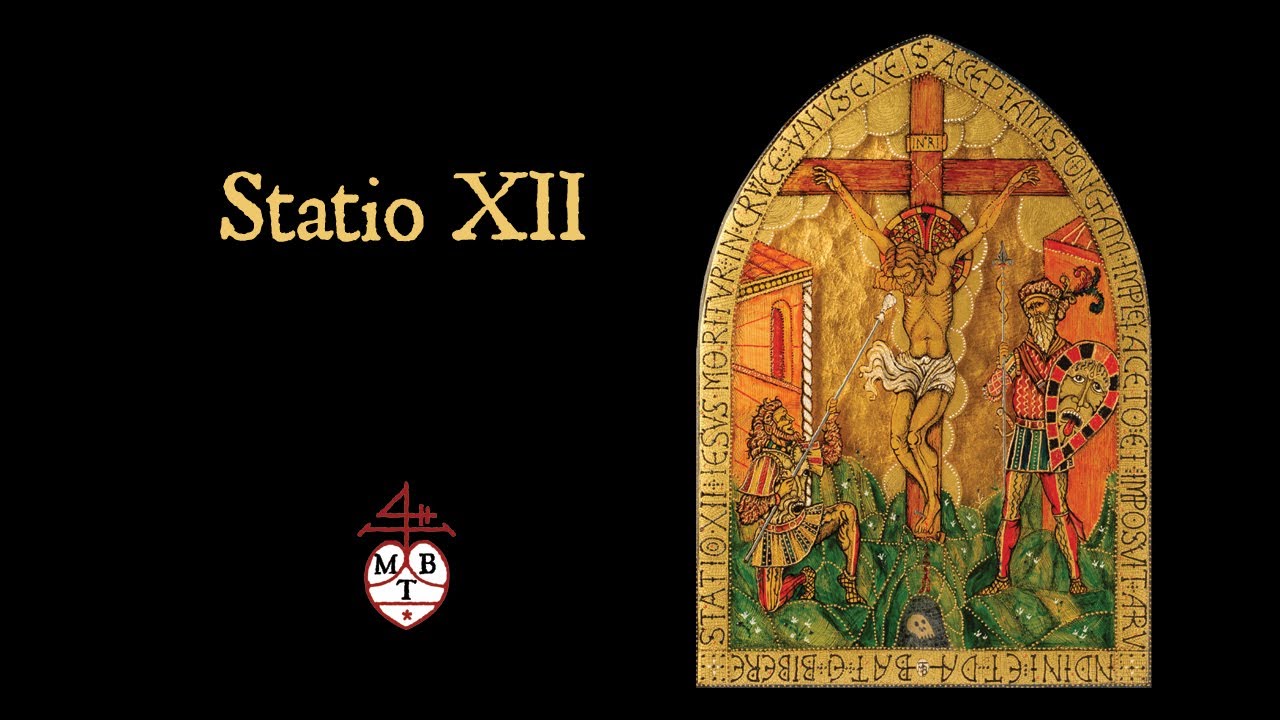
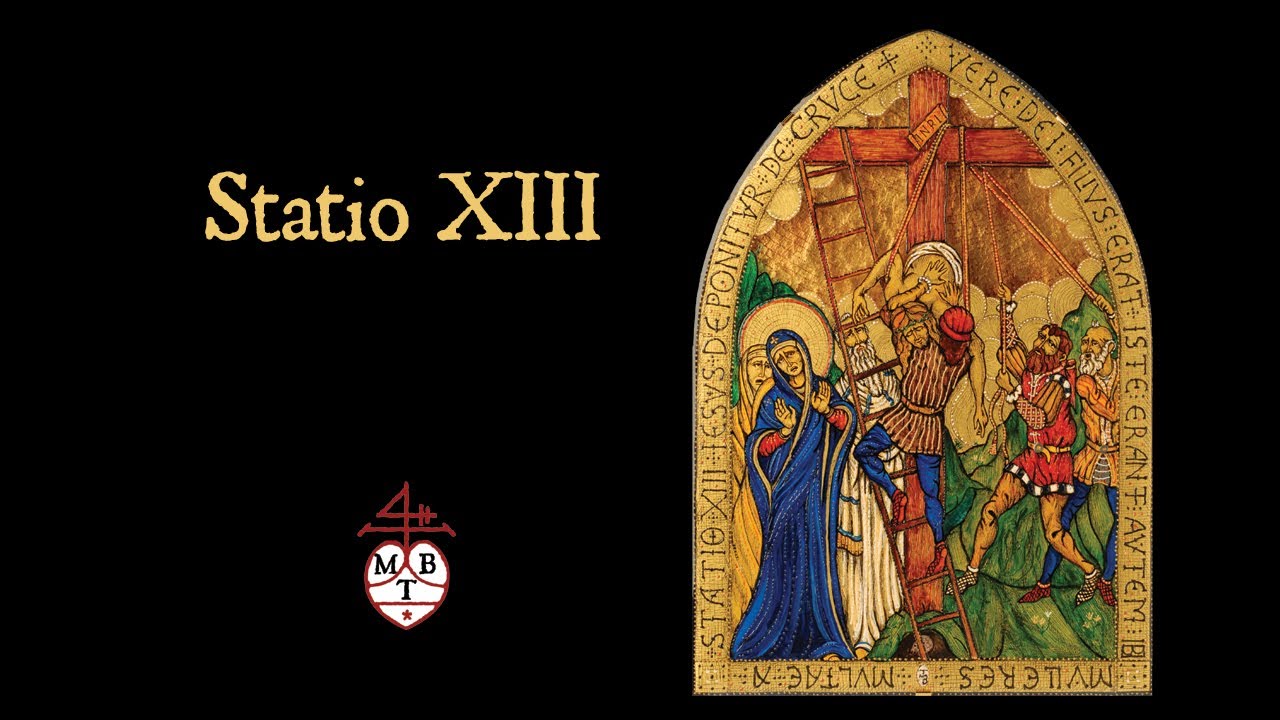
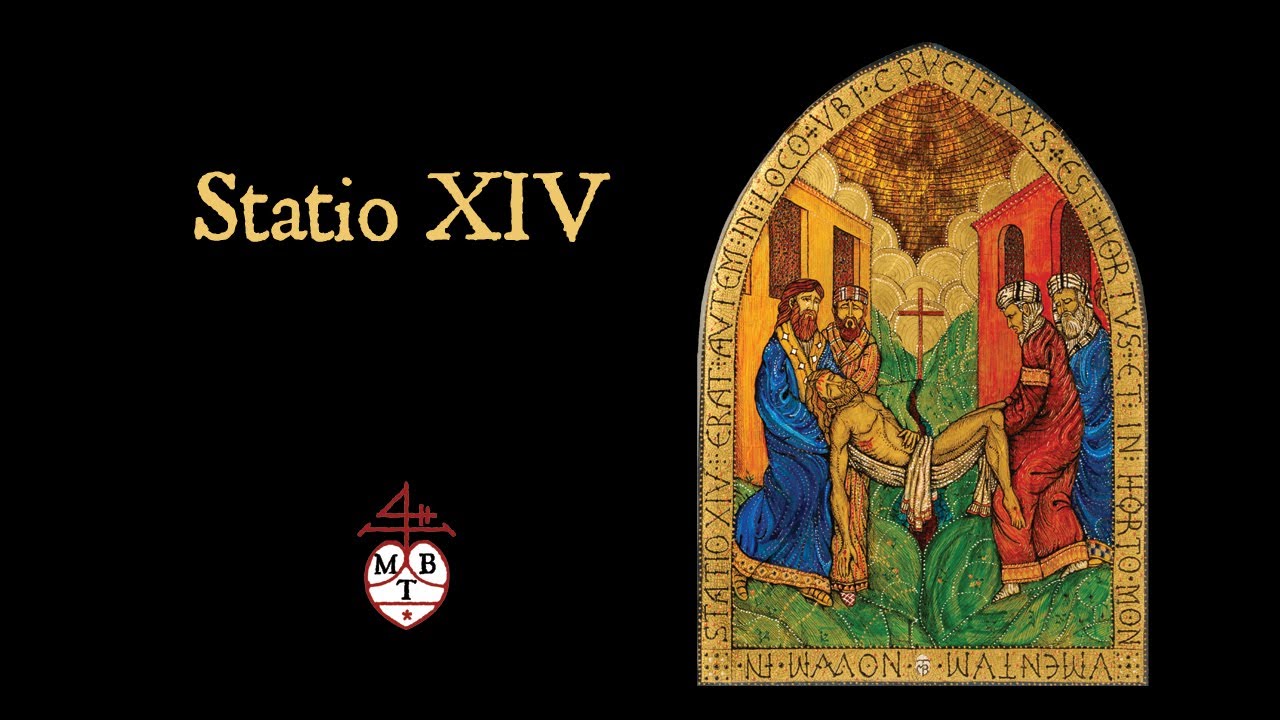
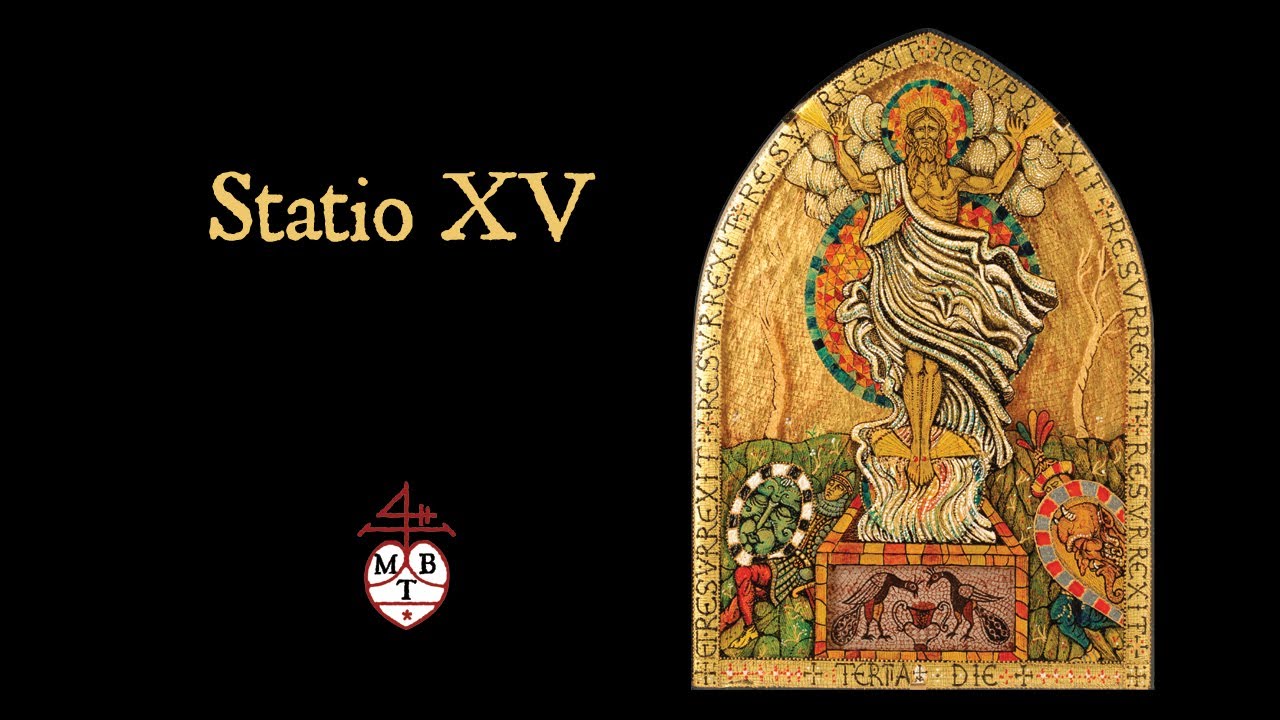
Marco Toso Borella’s Way of the Cross consists of 15 stations: the 14 traditional ones plus one featuring the Resurrection.
The panels are closely linked to the Basilica: the pictorial language used is respectful of the context—especially the Byzantine art represented by the praying Madonna dominating the apse vault—but is combined by the artist with the Western artistic evolution of subsequent centuries, which allowed human feelings to shine through even in the divine. In Toso Borella’s Way of the Cross, Mary is the Virgin Madonna but also a Mother; Jesus is not only the Savior of humanity but also a Man who is scourged and condemned to the most painful death.
Among the distinctive features are the continuous references, in each plate, to elements found in the medieval mosaic floor of the Basilica: subjects from the plant and animal world, such as griffins and peacocks, or allegories like the chessboard or the city of Jerusalem.


Installed since November 2016 in the Basilica of Saints Mary and Donato in Murano, the Glass Way of the Cross is a unique work. It consists of 15 glass icons decorated with sgraffito on gold leaf and enamels, depicting the 14 traditional stations of the Way of the Cross plus a fifteenth. The path of the Passion of Christ, from condemnation to crucifixion and burial, is thus enriched by a final stage, the most important in Christianity and human history: the Resurrection.
Each icon represents a stop on the Way of the Cross through a pictorial language fully consistent with the context of the Basilica, and in particular with the Byzantine art represented by the praying Madonna dominating the apse vault. The artist develops that same language, however, combining it with the Western artistic evolution of subsequent centuries, which allowed human feelings to emerge even in the divine.
The work was chosen by the Patriarch of Venice, Francesco Moraglia, to illustrate his meditations on the Way of the Cross in the volume “Way of the Cross: The Wisdom of the Cross” (Marcianum Press, 2019).

In the volume “The Glass Way of the Cross: The Strength of the Spirit in the Fragility of Matter,” Marco Toso Borella illustrates each panel with illustrations and explanations.
The book is enriched by a preface by H.E. Francesco Moraglia, Patriarch of Venice.

WAY OF THE CROSS PLAYLIST
16 Videos
2:13
3:15
2:20
2:19
2:25
2:25
2:22
2:21
2:20
2:26
2:18
2:45
4:00
2:38
2:14
3:18